Foundational Scripture References
Genesis 22:1–14; 1 Samuel 15:22–23; Matthew 26:36–46; Acts 5:27–29; James 1:2–4; 1 Peter 2:19–23.
The Moment Obedience Becomes Personal

There is a difference between believing in obedience and living obediently when obedience demands something from us. Most believers understand the importance of following the Word of God, honoring His direction, and surrendering their will to His purpose. We can speak confidently about trusting Jesus when the road ahead appears clear and the outcome seems favorable. Yet there are moments when the will of God challenges our expectations, interrupts our plans, exposes our motives, or requires us to release something we desperately want to keep. Those moments reveal whether obedience is merely a principle we admire or a conviction that governs our lives.
Obedience becomes personal when we must choose between what we desire and what we know is right. It becomes personal when forgiveness requires us to surrender our right to retaliation, when humility requires us to acknowledge that we were wrong, or when integrity demands that we tell the truth even though dishonesty would be easier. It becomes personal when we must walk away from a sinful opportunity, remain faithful during disappointment, or continue trusting God when we cannot understand what He is allowing us to experience. In those moments, obedience is no longer an idea discussed in a Bible study. It becomes a decision that reveals the condition of the heart.
The cost of obedience is not always measured by what we lose publicly. Sometimes the greatest cost is invisible to everyone around us. It may be the death of our pride, the surrender of our need to control an outcome, or the willingness to release a relationship that continually pulls us away from the truth. It may require us to admit that our motives were not as pure as we believed, that our anger has become resentment, or that our desire to be understood has begun to govern our behavior more than our desire to please God. These inward decisions can be painful because they challenge the version of ourselves we have learned to protect.
The question is not whether obedience will ever cost us something. The question is whether we trust the One who calls us to obey Him more than we trust the things we are afraid to surrender. Jesus Christ does not call us to obedience because He desires to diminish our lives. He calls us to walk in truth because He knows what our hearts cannot always see. His instruction may confront our preferences, but His authority is never separated from His knowledge, righteousness, and purpose. When we understand this, obedience becomes more than a burden to endure. It becomes an expression of faith in the One who deserves our complete allegiance.
Abraham and the Altar of Surrender

Genesis 22:1 to 141 And it came to pass after these things, that God did tempt Abraham, and said unto him, Abraham: and he said, Behold, here I am. 2 And he said, Take now thy son, thine only son Isaac, whom thou lovest, and get thee into the land of Moriah; and offer him there for a burnt offering upon one of the mountains which I will tell thee of. 3 And Abraham rose up early in the morning, and saddled his ass, and took two of his young men with him, and Isaac his son, and clave the wood for the burnt offering, and rose up, and went unto the place of which God had told him. 4 Then on the third day Abraham lifted up his eyes, and saw the place afar off. 5 And Abraham said unto his young men, Abide ye here with the ass; and I and the lad will go yonder and worship, and come again to you. 6 And Abraham took the wood of the burnt offering, and laid it upon Isaac his son; and he took the fire in his hand, and a knife; and they went both of them together. 7 And Isaac spake unto Abraham his father, and said, My father: and he said, Here am I, my son. And he said, Behold the fire and the wood: but where is the lamb for a burnt offering? 8 And Abraham said, My son, God will provide himself a lamb for a burnt offering: so they went both of them together. 9 And they came to the place which God had told him of; and Abraham built an altar there, and laid the wood in order, and bound Isaac his son, and laid him on the altar upon the wood. 10 And Abraham stretched forth his hand, and took the knife to slay his son. 11 And the angel of the LORD called unto him out of heaven, and said, Abraham, Abraham: and he said, Here am I. 12 And he said, Lay not thine hand upon the lad, neither do thou any thing unto him: for now I know that thou fearest God, seeing thou hast not withheld thy son, thine only son from me. 13 And Abraham lifted up his eyes, and looked, and behold behind him a ram caught in a thicket by his horns: and Abraham went and took the ram, and offered him up for a burnt offering in the stead of his son. 14 And Abraham called the name of that place Jehovahjireh: as it is said to this day, In the mount of the LORD it shall be seen.
The account of Abraham in Genesis 22:1 to 14 presents one of the most difficult examinations of obedience recorded in Scripture. Abraham had received a promise concerning Isaac, the son through whom God had declared that His covenant would continue. Isaac represented more than a beloved child. He embodied a promise Abraham had waited years to see fulfilled. Then Abraham was placed in a test that brought his love for the promised son into direct confrontation with his trust in the God who had given him that promise.
The weight of this account must not be minimized. Abraham was not being asked to surrender something insignificant or easily replaced. He was facing the apparent contradiction between the promise he had received and the instruction he was given. The situation required him to trust the character of God beyond what he could understand at that moment. Abraham could not see the complete outcome when he began his journey, but he moved forward in faith, and God intervened before Isaac was harmed.
This account is not permission for anyone to use Abraham’s experience to demand dangerous, immoral, or harmful actions from another person. It is not a model for leaders who wish to test loyalty by demanding unquestioning compliance. The account reveals God’s testing of Abraham within a unique biblical moment, and its outcome demonstrates God’s provision. No human leader has the right to place himself in God’s position, claim unquestionable authority over another person’s conscience, or use this passage to justify abuse.
The deeper lesson concerns the place of God in our hearts. Abraham had to trust God with the promise itself. We may never face a test resembling Abraham’s, but we will face moments when we must surrender our expectations, ambitions, attachments, and preferred outcomes to the Lord. We may believe we are trusting God while quietly insisting that He must fulfill His promises according to our timetable and in the manner we have chosen. When He does not follow our expectations, we discover how difficult it can be to distinguish trust in God from attachment to the outcome we desire.
Sometimes we become so focused on what God has given us that we begin to treat the gift as though it matters more than the Giver. A ministry, a relationship, a position, a dream, or a long awaited opportunity can gradually occupy a place in our hearts that belongs to God alone. We may begin with gratitude and eventually develop an attitude of possession, believing that because something matters deeply to us, God must preserve it exactly as it is. Yet genuine surrender recognizes that everything we possess remains subject to the wisdom and authority of the Lord.
This does not mean that every painful loss is a test sent by God or that believers should passively accept preventable harm. It means that we must remain willing to let God examine our priorities and correct the things that have become too important to surrender. Abraham’s journey reminds us that faith is not simply confidence that God will give us what we want. Faith is confidence in God even when we cannot see how His purposes will unfold.
The Danger of Partial Obedience
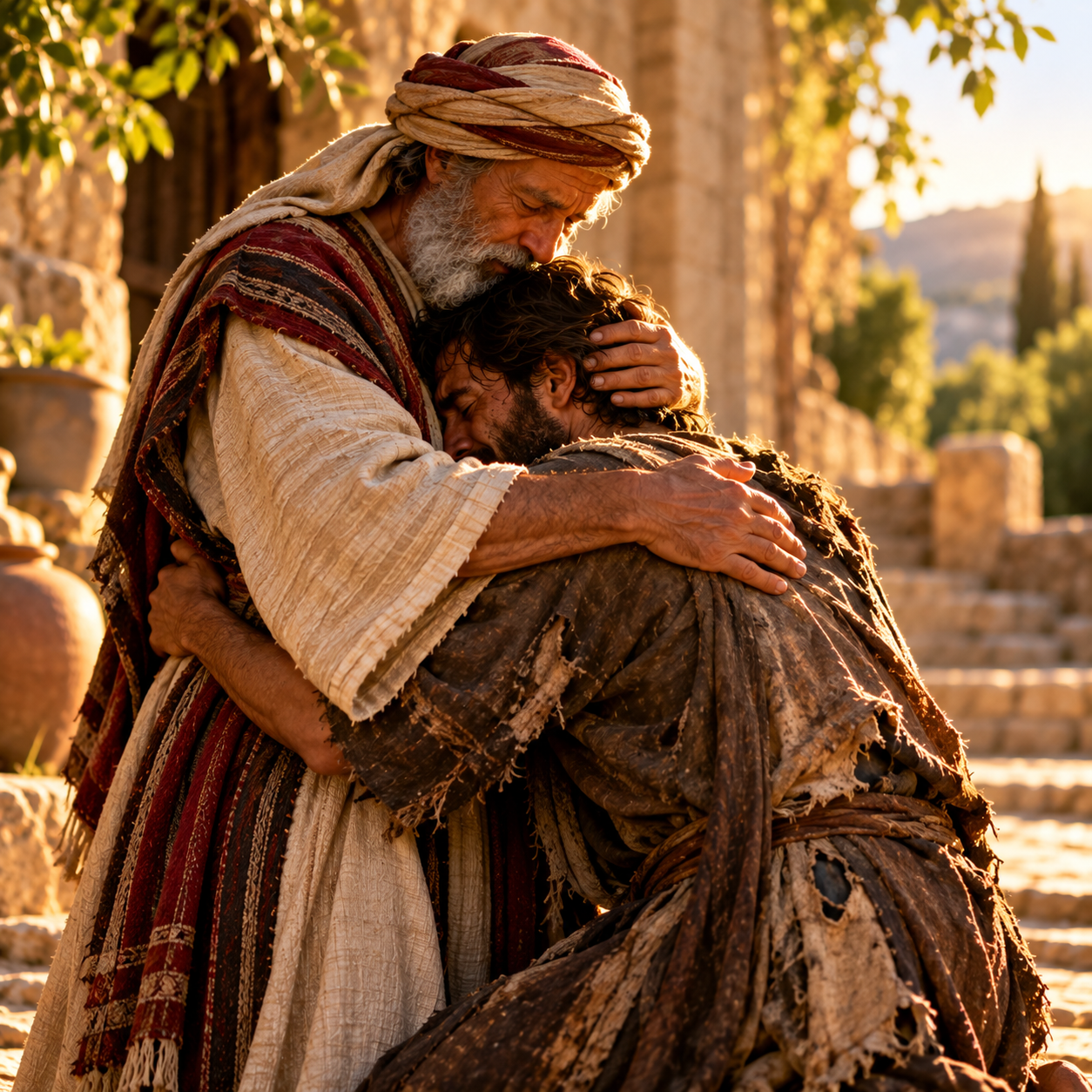
First Samuel 15:22 to 2322 And Samuel said, Hath the LORD as great delight in burnt offerings and sacrifices, as in obeying the voice of the LORD? Behold, to obey is better than sacrifice, and to hearken than the fat of rams. 23 For rebellion is as the sin of witchcraft, and stubbornness is as iniquity and idolatry. Because thou hast rejected the word of the LORD, he hath also rejected thee from being king.
One of the most revealing biblical accounts concerning obedience is found in First Samuel 15:22 to 23, where Saul’s response to God’s instruction exposed a serious problem in his heart. Saul had received a clear command, but instead of carrying it out as instructed, he made decisions according to his own judgment and then attempted to present his actions as acceptable. His response demonstrates that religious language cannot transform disobedience into obedience.
Partial obedience is dangerous because it allows us to maintain the appearance of faithfulness while reserving the right to decide which parts of God’s instruction we will follow. We may obey when the command agrees with our preferences and negotiate when it challenges our comfort. We may honor the principles of Scripture that support our position while avoiding the passages that expose our attitudes. We may speak about surrender while quietly maintaining control over the very areas where God is calling us to change.
This pattern can develop gradually. A person may begin by making one small exception, convincing himself that the circumstances justify it. The next compromise becomes easier because the first has already been accepted. Eventually, the person may stop recognizing the difference between what God has commanded and what he has decided is reasonable. The conscience becomes less responsive, not necessarily because the person has abandoned religious belief, but because personal preference has been permitted to sit in judgment over the Word of God.
We must also recognize that partial obedience can hide beneath impressive spiritual activity. A person may attend services, serve faithfully, pray publicly, teach others, and speak passionately about holiness while refusing to address dishonesty, bitterness, pride, or mistreatment in private. Visible service may become a substitute for inward surrender when we allow our religious accomplishments to distract us from the areas where our character needs correction.
God is not impressed by the appearance of obedience when the heart is committed to preserving its own authority. The issue is not whether we can identify the commands we have followed. The issue is whether we are willing to let the truth expose the commands we have ignored, the responsibilities we have neglected, and the attitudes we have justified.
There are times when we genuinely misunderstand what obedience requires. In those situations, humility allows us to receive correction, examine Scripture, ask questions, and change direction when we discover that we were wrong. The danger emerges when we know what is right but deliberately construct excuses to avoid doing it. Conviction calls us toward repentance, but pride encourages us to defend ourselves.
Obedience cannot be measured only by the portions of our lives that other people can observe. It must also be examined in the hidden places where no applause is offered and no public recognition is available. When the Word of God confronts us, we must decide whether we will submit to its authority or reshape its meaning to accommodate our desires.
When the Will of God Conflicts With Our Feelings
Feelings are real, and they can communicate important information about our experiences. Grief can reveal the depth of a loss, fear can alert us to danger, and anger can expose the pain of injustice. Yet feelings were never intended to become the final authority over our decisions. When our emotions are permitted to govern our conduct without the correction of truth, we can confuse what feels right with what is right.
There are moments when obedience requires us to act faithfully while our feelings remain unsettled. We may need to speak honestly even though we fear rejection. We may need to forgive while the memory of an offense still hurts. We may need to accept correction even though embarrassment makes us defensive. We may need to wait patiently when uncertainty tempts us to force an outcome. None of these decisions requires us to pretend that the struggle does not exist. They require us to bring the struggle honestly before God and allow His truth to direct our response.
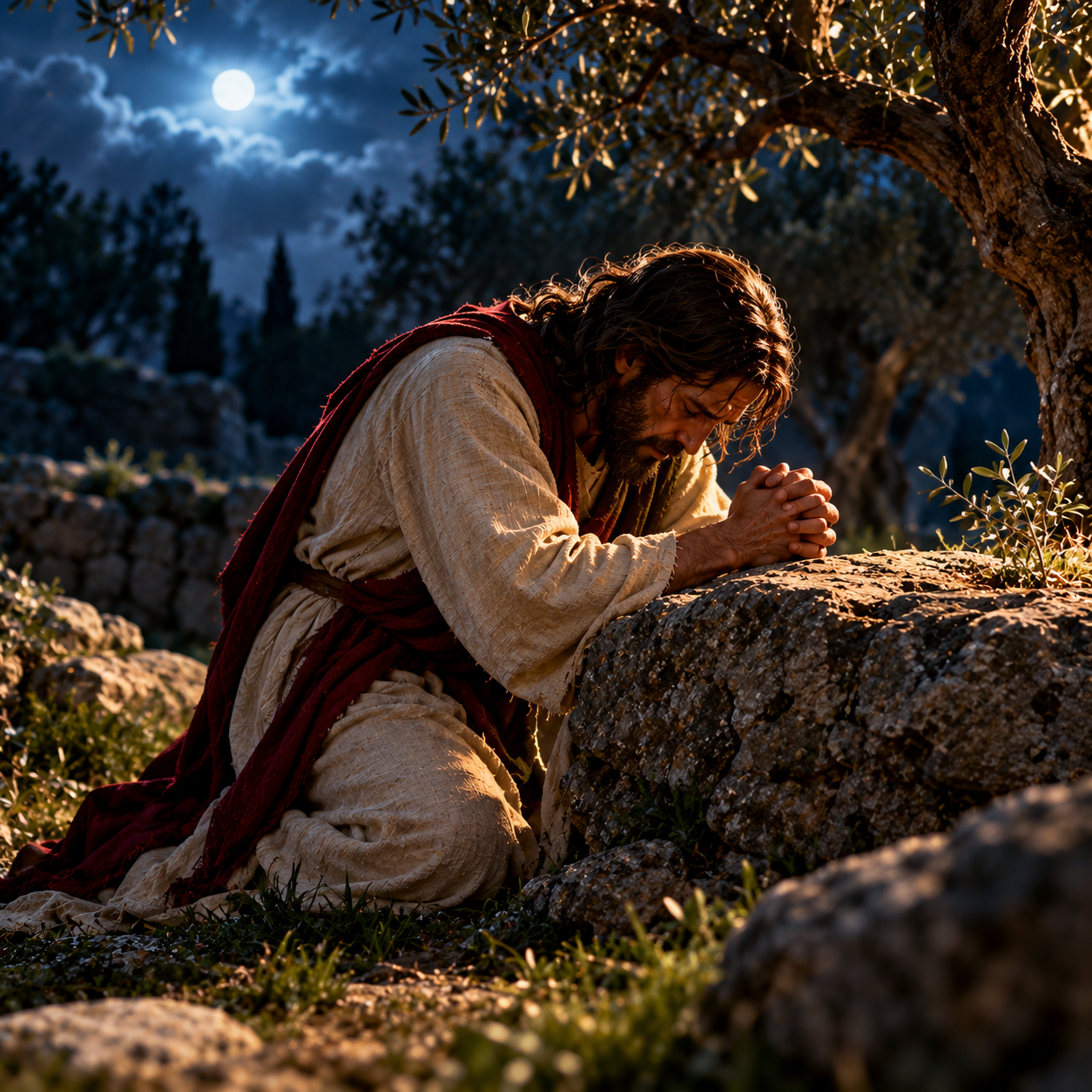
Matthew 26:36 to 4636 Then cometh Jesus with them unto a place called Gethsemane, and saith unto the disciples, Sit ye here, while I go and pray yonder. 37 And he took with him Peter and the two sons of Zebedee, and began to be sorrowful and very heavy. 38 Then saith he unto them, My soul is exceeding sorrowful, even unto death: tarry ye here, and watch with me. 39 And he went a little farther, and fell on his face, and prayed, saying, O my Father, if it be possible, let this cup pass from me: nevertheless not as I will, but as thou wilt. 40 And he cometh unto the disciples, and findeth them asleep, and saith unto Peter, What, could ye not watch with me one hour? 41 Watch and pray, that ye enter not into temptation: the spirit indeed is willing, but the flesh is weak. 42 He went away again the second time, and prayed, saying, O my Father, if this cup may not pass away from me, except I drink it, thy will be done. 43 And he came and found them asleep again: for their eyes were heavy. 44 And he left them, and went away again, and prayed the third time, saying the same words. 45 Then cometh he to his disciples, and saith unto them, Sleep on now, and take your rest: behold, the hour is at hand, and the Son of man is betrayed into the hands of sinners. 46 Rise, let us be going: behold, he is at hand that doth betray me.
Matthew 26:36 to 46 records Jesus in Gethsemane as He faced the suffering before Him. His experience reveals the seriousness of the hour and the reality of the anguish associated with what lay ahead. His prayer demonstrates complete surrender to the Father’s will, even as the coming suffering weighed heavily upon Him. This moment reminds us that surrender is not the denial of pain. It is the decision to remain faithful to God in the presence of pain.
We sometimes assume that a person who truly trusts God will never struggle emotionally with obedience. That assumption can cause unnecessary shame when our hearts feel overwhelmed by a difficult responsibility. The presence of distress does not automatically indicate rebellion, just as the presence of confidence does not automatically prove faithfulness. What matters is how we respond to the struggle and whether we bring our thoughts, emotions, and decisions under the direction of God’s truth.
There is a difference between acknowledging that obedience is painful and using that pain as permission to abandon what is right. We can be honest about our fear without allowing fear to make our decisions. We can grieve what we must release without turning grief into resentment. We can admit that we do not understand without accusing God of being unfaithful. Spiritual maturity develops as we learn to bring our whole selves before the Lord rather than presenting Him with an outward appearance of strength while hiding the conflict within us.
At the same time, we must not use the language of obedience to pressure people into ignoring danger, concealing wrongdoing, or remaining in situations where they are being harmed. Godly obedience is never a demand to call evil good. Scripture calls believers to truth, righteousness, wisdom, and accountability. When a situation involves abuse, exploitation, criminal conduct, or a genuine threat to safety, seeking protection and appropriate help is not a rejection of God. It can be a necessary expression of wisdom and responsibility.
Our feelings must be examined, but they must not be dismissed automatically. Fear may reveal a temptation to avoid responsibility, or it may alert us to a genuinely dangerous situation. Discomfort may arise because correction is exposing pride, or because someone is demanding something that exceeds legitimate authority. This is why discernment matters. We must examine the facts, seek the wisdom of Scripture, and refuse to let either our emotions or another person’s pressure replace the authority of God.
When Obedience Costs You the Approval of Others

One of the most difficult costs of obedience is the possibility of being misunderstood. We naturally desire acceptance, especially from people we love, respect, or consider spiritually mature. We want our decisions to be understood, our motives to be recognized, and our faithfulness to be acknowledged. Yet obedience to God will sometimes place us in circumstances where others disagree with us, question our choices, or interpret our actions through assumptions we cannot control.
The desire for approval becomes dangerous when it begins to determine what we are willing to do. A person may remain silent when truth needs to be spoken because he fears losing his position. Another may agree with an unwise decision because disagreement could threaten a valued relationship. Someone else may participate in conduct that violates his conscience because everyone around him treats it as normal. In each situation, the desire to preserve acceptance begins to compete with the responsibility to remain faithful to God.
Acts 5:27 to 2927 And when they had brought them, they set them before the council: and the high priest asked them, 28 Saying, Did not we straitly command you that ye should not teach in this name? and, behold, ye have filled Jerusalem with your doctrine, and intend to bring this man’s blood upon us. 29 Then Peter and the other apostles answered and said, We ought to obey God rather than men.
Scripture presents many examples of people who had to choose faithfulness over the approval of others. Acts 5:27 to 29 records the apostles facing pressure from authorities who wanted them to stop proclaiming the message they had been commanded to share. Their response demonstrates that human authority has limits and that obedience to God must remain supreme when a human command directly conflicts with His will.
This principle requires careful understanding. It does not mean that every disagreement with a pastor, employer, parent, teacher, or civil authority is evidence of spiritual courage. Sometimes disagreement exposes our own pride, impatience, or unwillingness to cooperate. We must be willing to examine ourselves honestly before deciding that we are suffering for righteousness. A person can be stubborn and call it conviction, just as another person can be intimidated and call it submission.
The important question is whether our position is grounded in the truth of God’s Word and supported by a sincere desire to honor Him. Are we resisting because obedience would require us to surrender our preferences, or are we refusing because the demand itself violates what is right? Are we speaking because truth must be protected, or because our pride has been wounded? Are we remaining silent because wisdom calls for patience, or because fear has convinced us that honesty is too costly?
These questions require more than a quick answer. They require prayer, self examination, careful attention to Scripture, and the humility to receive wise counsel. Faithfulness is not proved by how many people oppose us, nor is error proved by how many people agree with us. Our responsibility is to seek what is true and remain accountable for how we respond.
There may be seasons when obedience costs us recognition, influence, friendship, or a position we once valued. Such losses can be painful, but they do not automatically mean we have failed. Nor do they automatically prove that we are right. We must allow God to examine both the circumstances and our hearts. Our goal is not to become people who are proud of standing alone. Our goal is to become people who are willing to stand faithfully with Jesus Christ, whether others approve or not.
The Cost of Telling the Truth

Truth can be costly because it interrupts the stories people tell themselves. It exposes dishonesty, challenges comfortable arrangements, and requires decisions that cannot always be postponed. Sometimes the person who speaks truthfully is welcomed because the truth brings needed clarity. At other times, the truth teller becomes the focus of anger because the message threatens someone’s reputation, authority, or control.
Believers must learn to value truth without becoming careless in the way they communicate it. Honesty does not give us permission to humiliate others, spread unverified accusations, or speak from bitterness. We are responsible not only for what we say but also for the spirit in which we say it. Truth should not be used as a weapon to punish people who have offended us. It should be spoken with integrity, wisdom, and a sincere desire to honor God.
There are also times when remaining silent can become a form of participation in wrongdoing. When we know that someone is being mistreated, when dishonesty is being concealed, or when vulnerable people are being placed at risk, we must consider our responsibility to act appropriately. The right response will depend on the circumstances, the available evidence, and the safest and most effective means of addressing the problem. It may involve direct conversation, consultation with trustworthy people, a formal report, or contacting the appropriate authorities.
A person’s title does not remove the responsibility to answer for wrongdoing. Spiritual language does not excuse manipulation, and a position of leadership does not place anyone beyond correction. Those who exercise authority are accountable for how they use it, while those who follow are responsible for responding with integrity and discernment. Both must submit their conduct to the standards of God’s truth.
We must also be careful not to confuse the discomfort of being challenged with proof that someone is being mistreated. A leader may offer legitimate correction that is difficult to receive, and a believer may experience embarrassment while recognizing that the correction is justified. In other circumstances, a leader may use shame, threats, or spiritual intimidation to prevent honest questions. Discernment requires us to distinguish between correction that serves righteousness and pressure that protects human control.
The cost of truth should never become an excuse for cruelty, and the cost of peace should never become an excuse for dishonesty. Our responsibility is to seek a response that honors God, protects what is right, and treats people with dignity. We may not control how others receive the truth, but we can take responsibility for ensuring that our own words and actions are governed by integrity.
Suffering Does Not Always Mean You Are Obeying God
There is an important distinction that must be understood when discussing the cost of obedience. Not every painful experience is evidence of faithfulness, and not every person who suffers opposition is being persecuted for righteousness. Sometimes we suffer because we are doing what is right. At other times, we experience consequences because we have acted carelessly, spoken harshly, resisted legitimate correction, or made decisions without wisdom.
It can be tempting to interpret every conflict as proof that we are standing for truth. This interpretation may protect our pride from the possibility that we contributed to the problem. Instead of examining our conduct, we may blame everyone who disagrees with us and describe every consequence as an attack. Such thinking can prevent repentance and make spiritual growth nearly impossible.
First Peter 2:19 to 2319 For this is thankworthy, if a man for conscience toward God endure grief, suffering wrongfully. 20 For what glory is it, if, when ye be buffeted for your faults, ye shall take it patiently? but if, when ye do well, and suffer for it, ye take it patiently, this is acceptable with God. 21 For even hereunto were ye called: because Christ also suffered for us, leaving us an example, that ye should follow his steps: 22 Who did no sin, neither was guile found in his mouth: 23 Who, when he was reviled, reviled not again; when he suffered, he threatened not; but committed himself to him that judgeth righteously:
First Peter 2:19 to 23 addresses suffering in the context of conscience toward God and points to the example of Jesus Christ. The passage must be read with care, without turning it into a command for vulnerable people to remain under abuse or an instruction to conceal wrongdoing. Its teaching calls believers to faithfulness and integrity amid unjust suffering. It does not grant human beings permission to inflict injustice or demand that others endure preventable harm without seeking help.
When we experience conflict, we must be willing to ask whether our own actions have contributed to it. Did we speak truthfully but without love? Did we assume motives without evidence? Did we refuse to listen because we were convinced that we could not be wrong? Did we disregard a legitimate responsibility because we disliked the person who gave the instruction? These questions are not invitations to accept false blame. They are opportunities to identify what genuinely belongs to us and take responsibility for it.
We must also ask whether the expectations placed upon us are reasonable, lawful, and consistent with the truth of Scripture. Are we being corrected for a genuine mistake, or are we being pressured to participate in something dishonest? Are we being asked to cooperate with a legitimate responsibility, or are we being told to surrender our conscience to another person’s preferences? Are we experiencing the natural consequences of our choices, or are we facing retaliation for acting with integrity?
These questions protect us from two opposing errors. The first is prideful resistance, in which we reject correction because we cannot tolerate being wrong. The second is unhealthy compliance, in which we accept every accusation and demand because we believe that questioning authority is automatically rebellion. Neither response reflects mature discernment.
God calls us to humility, but humility does not require us to deny reality. He calls us to obedience, but obedience does not require us to abandon truth. He calls us to love others, but love does not require us to participate in wrongdoing. Spiritual maturity allows us to acknowledge our failures without accepting responsibility for another person’s misconduct, and it allows us to honor legitimate authority without treating human authority as absolute.
The Hidden Reward of Faithfulness

Obedience may cost us something we can see, but its deeper work often takes place within us. When we choose truth over convenience, integrity over acceptance, and humility over self protection, our character is being shaped by the decision. We learn that our faith is not dependent upon receiving immediate recognition and that our relationship with God cannot be measured by how comfortably life unfolds.
James 1:2 to 42 My brethren, count it all joy when ye fall into divers temptations; 3 Knowing this, that the trying of your faith worketh patience. 4 But let patience have her perfect work, that ye may be perfect and entire, wanting nothing.
James 1:2 to 4 connects the testing of faith with the development of endurance and maturity. This does not mean that pain is good in itself or that believers should seek suffering. It means that difficulties can become occasions for spiritual growth when we remain faithful to God and allow Him to shape our responses. What we learn through such seasons can deepen our patience, strengthen our convictions, and expose attitudes that would otherwise remain hidden.
There is a quiet strength that develops when we no longer need every person to agree with us before we can remain at peace. We become less controlled by the fear of rejection and less dependent upon praise. We learn to receive correction without collapsing into shame and to disagree without becoming hostile. We begin to understand that faithfulness is not the same as winning every argument, protecting every relationship, or maintaining every opportunity.
This kind of maturity does not make us insensitive. It should make us more compassionate because we begin to understand how difficult obedience can be for others. We become less eager to judge people whose struggles we do not fully understand, and we become more willing to help them seek truth without humiliation. Having experienced the cost of surrender, we learn to treat the struggles of others with patience while still encouraging them to take responsibility for their choices.
The reward of obedience is not always a visible breakthrough, a restored relationship, or an immediate resolution. Sometimes the reward is a conscience that has been kept clear, a heart that has become more humble, or a decision that prevented further harm. Sometimes it is the courage to acknowledge that we were wrong and the grace to begin again. These outcomes may not attract public attention, but they matter deeply in the life of a believer.
Ultimately, obedience is not a transaction in which we surrender something to God in exchange for a guaranteed result. We do not obey merely because we expect Him to make every circumstance comfortable. We obey because He is worthy of our trust and because His truth defines the life we are called to live. We may not understand every outcome, but we can remain committed to walking in what we know is right.
Choosing Faithfulness When the Cost Is Real
Every believer will encounter decisions that reveal what holds the greatest influence over the heart. Some decisions will be small enough that few people notice them. Others may reshape relationships, redirect ambitions, or require us to speak when silence would be easier. In each situation, we must return to the foundation established in the earlier chapters of this book. God alone holds ultimate authority, His truth must govern our lives, and every human being remains accountable for the choices he or she makes.
We cannot build a faithful life by making obedience dependent upon convenience. If we follow God only when His direction agrees with our preferences, we have not surrendered our will. We have simply agreed to cooperate when the cost is low. Genuine obedience requires us to remain teachable when correction is uncomfortable, honest when dishonesty seems profitable, patient when waiting is difficult, and courageous when doing what is right may bring opposition.
At the same time, we must refuse to measure faithfulness by the amount of suffering we endure. God has not called us to seek mistreatment as proof of spiritual maturity. We do not become more obedient simply because we remain in a harmful situation, tolerate manipulation, or allow another person to control our decisions through fear. The call to obedience must always be understood in the light of God’s character and the truth of His Word.
There may be times when the faithful response is to remain and work through a difficult situation with humility. There may be other times when the faithful response is to establish boundaries, seek protection, report wrongdoing, or leave an unsafe environment. The decision requires discernment, honest examination, and wise counsel. What must never be surrendered is our responsibility to honor God above every human demand.
The cost of obedience will reveal what we value, what we fear, and where we still need to grow. It will show us whether our convictions are rooted in the truth or merely in the approval of others. It will expose the places where pride resists correction and the places where fear prevents us from acting with integrity. Rather than treating these discoveries as reasons to hide, we can bring them before God and allow Him to continue His work within us.
The goal is not to become people who never struggle. The goal is to become people who remain willing to surrender, learn, repent, and obey. When the cost is real, may our hearts remain anchored in Jesus Christ. May we refuse both the pride that rejects correction and the fear that submits to wrongdoing. May our lives demonstrate that obedience is not blind allegiance to human beings, but a faithful response to the authority of God.