Foundational Scripture References
Psalm 24:1; Ecclesiastes 12:13–14; Matthew 28:18; Romans 14:10–12; 2 Corinthians 5:10; Hebrews 4:12–13; James 4:13–17; 1 Peter 4:5.
The Authority No One Can Escape
There comes a point when every discussion about authority must lead us to the One who stands above every authority. We can examine leadership, study submission, consider obedience, and discuss the responsibilities of those who lead and those who follow, but all of these conversations remain incomplete until we understand this truth: everything answers to God.
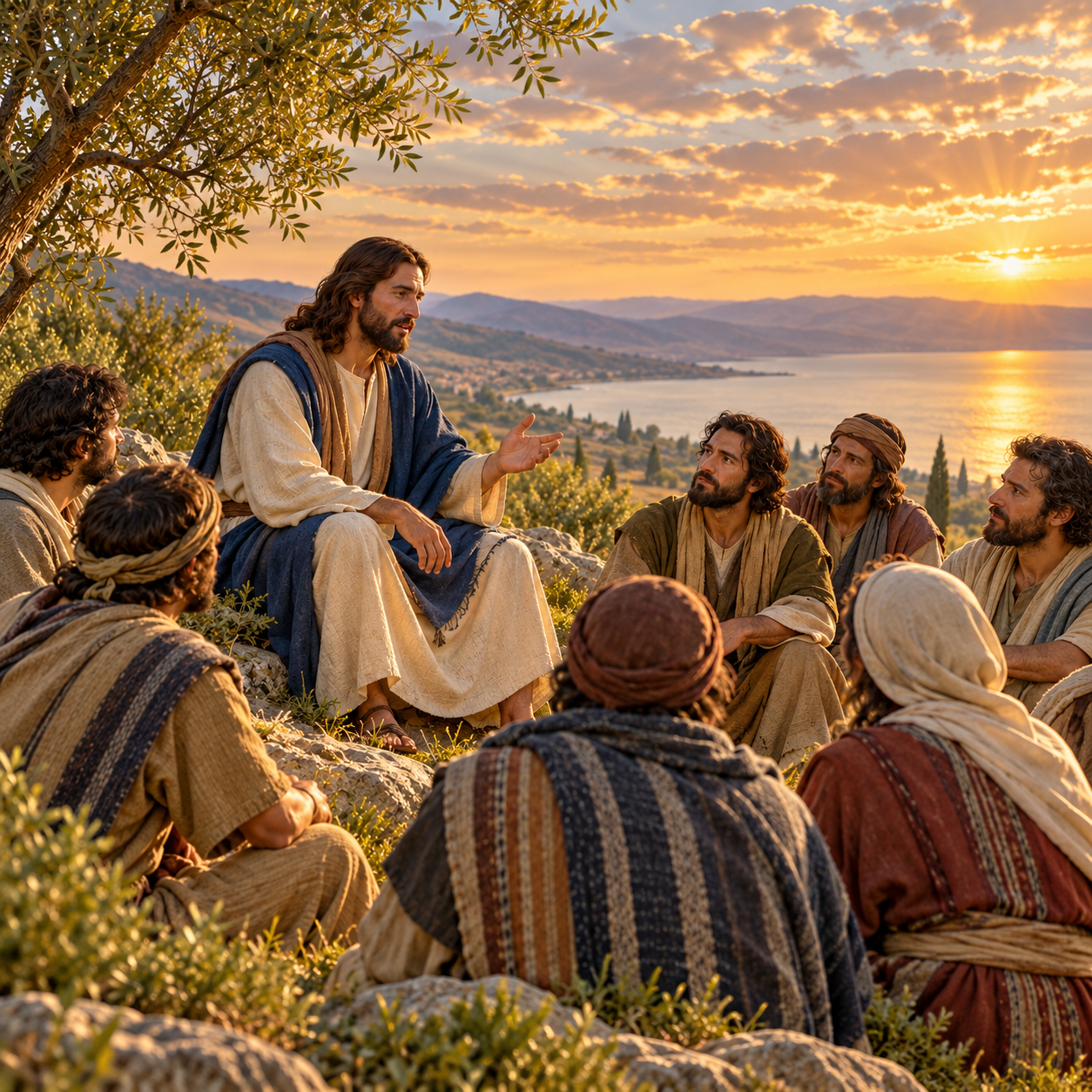
Every person answers to God. Every leader answers to God. Every ministry answers to God. Every decision, every hidden motive, every act of obedience, and every misuse of authority falls within the reach of His knowledge and judgment.
Human beings may establish positions, organize institutions, create policies, appoint leaders, and assign responsibilities. These things can serve a valuable purpose when they operate within the boundaries of truth and righteousness. Yet no human arrangement can replace the authority of God, and no earthly position can exempt anyone from standing before Him.
The danger begins when we become so occupied with human authority that we forget divine accountability. We may spend our lives trying to satisfy people, protect our reputations, preserve our positions, and avoid criticism while neglecting the condition of our hearts before Jesus Christ.
We can become skilled at appearing faithful while refusing to examine whether we are actually walking in faithfulness. We can learn the language of submission without developing a submitted heart. We can speak passionately about accountability while resisting it whenever our own actions are questioned. But God does not measure our lives by appearances alone. He sees beyond the outward performance and examines what lies beneath it.
The central question of this book has never been simply whether we obey those who lead us. The deeper question is whether our lives are genuinely submitted to the authority of Jesus Christ. We cannot claim to honor God’s authority while deliberately ignoring His Word, demand accountability from others while treating ourselves as an exception, or insist that others submit while refusing to surrender our own pride.
The veil must be lifted from our eyes. Authority is not merely about who stands above us in a human structure. It is about recognizing who stands above us all.
No Position Places You Above Accountability
One of the most dangerous misunderstandings about authority is the belief that a person’s position places that individual beyond question. This belief can develop in churches, ministries, families, workplaces, and other institutions whenever responsibility is confused with superiority.
A title may identify someone’s assignment, but it cannot guarantee the condition of that person’s heart. A position may grant responsibility, but it does not grant permission to disregard righteousness. Experience may provide wisdom, but it does not make a person incapable of error.
A leader can be sincere and still make a mistake. A respected minister can need correction. A parent can love a child and still handle a situation wrongly. A teacher can possess knowledge and still misunderstand a student. A person with years of faithful service can still have an area of life that requires repentance.
When people begin to believe that their position makes them untouchable, accountability becomes a threat rather than a gift. Questions are interpreted as disrespect. Honest concerns are treated as disloyalty. Correction becomes something to avoid, and those who raise legitimate concerns may be pressured into silence. This is not the strength of spiritual authority. It is the distortion of it.
God calls His people to walk in truth. Truth requires honesty about wrongdoing, humility in the face of correction, and a willingness to make things right when harm has occurred. If you lead others, your responsibility is not to create an environment where nobody can question you. It is to serve faithfully, welcome appropriate accountability, and remain answerable to God for how you exercise the trust placed in you.
If you follow another person’s leadership, remember that respect does not require you to deny reality. You can honor a person’s legitimate responsibility while recognizing that the person remains human, fallible, and accountable to God. No title can replace character. No platform can replace obedience. No reputation can erase responsibility. Every position is temporary. Accountability before God is not.
God Sees What People Cannot See
People often judge what is visible. They see the public prayer, the successful ministry, the generous donation, the impressive leadership, the faithful attendance, or the words spoken from a platform. These things may reflect genuine devotion, but outward activity alone cannot reveal the complete condition of the heart. God sees what happens when the audience disappears.
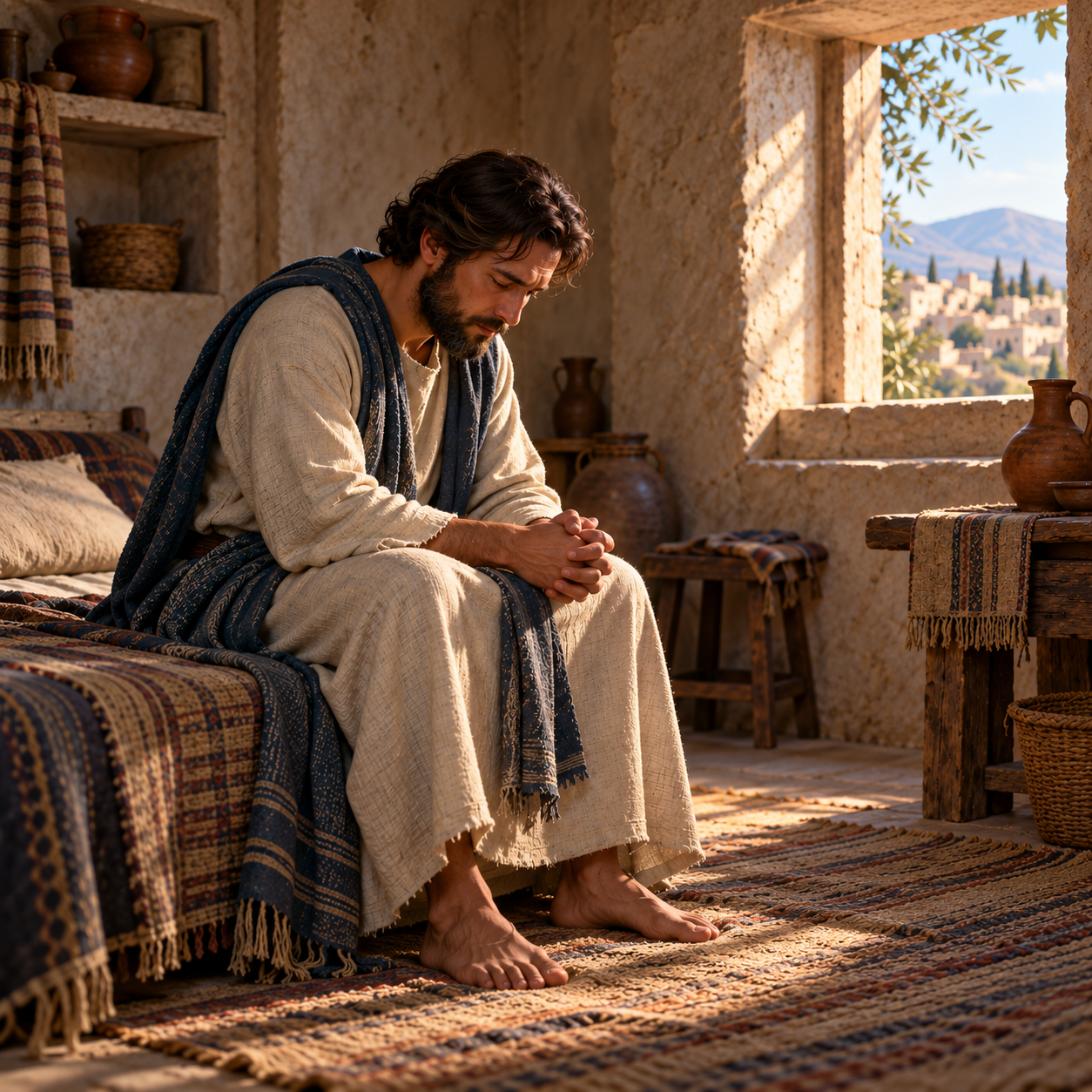
He sees the conversation that never reaches the public, the resentment hidden beneath a polite smile, the sacrifice made without recognition, the decision made in private when dishonesty would have been easier, and the tears of the person who feels unheard. He also sees the motives we struggle to understand within ourselves.
Sometimes we do the right thing for the wrong reason. We may serve because we desire recognition, give because we want influence, defend a position because admitting a mistake would threaten our pride, or insist on obedience because we want control rather than righteousness. These possibilities call for honest examination, not the assumption that every good action is secretly corrupt.
Hebrews 4:12 to 1312 For the word of God is quick, and powerful, and sharper than any twoedged sword, piercing even to the dividing asunder of soul and spirit, and of the joints and marrow, and is a discerner of the thoughts and intents of the heart. 13 Neither is there any creature that is not manifest in his sight: but all things are naked and opened unto the eyes of him with whom we have to do.
Hebrews 4:12 to 13 directs our attention to the searching power of God’s Word and the fact that nothing is hidden from His sight. We do not have to maintain a false image before the One who already knows us completely. We can confess our failures, acknowledge our struggles, and ask Jesus to purify what has become corrupted.
The God who sees our hidden failures also sees our hidden faithfulness. He knows the good we have done without recognition and the obedience that cost us something. Let your private life agree with your public confession. Let your conduct support the principles you teach and your treatment of people reflect the mercy and righteousness you claim to believe.
The Day Every Person Must Give an Account
Romans 14:10 to 1210 But why dost thou judge thy brother? or why dost thou set at nought thy brother? for we shall all stand before the judgment seat of Christ. 11 For it is written, As I live, saith the Lord, every knee shall bow to me, and every tongue shall confess to God. 12 So then every one of us shall give account of himself to God.
Second Corinthians 5:1010 For we must all appear before the judgment seat of Christ; that every one may receive the things done in his body, according to that he hath done, whether it be good or bad.
Romans 14:10 to 12 and Second Corinthians 5:10 direct our attention toward the reality of standing before God and giving an account of our lives. This truth should change the way we understand responsibility. We often measure decisions by immediate consequences: whether we will get into trouble, receive approval, benefit, or be noticed. Those questions may matter practically, but they are not the highest measure of right and wrong.
A person can escape human consequences and still have acted dishonestly. Someone can receive praise for a decision that caused hidden harm. A leader can maintain a public reputation while refusing to address private wrongdoing. Human judgment is limited. God is not limited by the information available to an audience, a committee, a congregation, or a community.
One day, every person will stand accountable for their own life. We may have been influenced, pressured, deceived, mistreated, or placed in difficult circumstances. Those realities matter, and God knows the difference between deliberate wrongdoing and the actions of someone who has been harmed or coerced. Accountability does not mean pretending that everyone had the same choices.
Nevertheless, we must not use another person’s failures to excuse every decision we make. Someone may have treated you unjustly, but their wrongdoing does not require you to become dishonest. You can bring your conduct before God, seek wisdom, refuse deception, acknowledge your mistakes, establish necessary boundaries, and pursue a righteous path even when someone else refuses to do the same.
Do not spend so much time preparing to explain the failures of others that you neglect the responsibility God has entrusted to you. Live today with the reality of accountability in mind, not with terror, but with a heart that understands the seriousness of being entrusted with a life before God.
Obedience Is Not the Same as Blind Compliance
If everything answers to God, obedience must be understood in the light of His authority rather than reduced to unquestioning compliance with human demands. People can use the language of submission to demand actions that violate truth, righteousness, conscience, or safety. A human demand does not become God’s will simply because someone speaks it confidently or attaches a spiritual title to it.
Acts 5:2929 Then Peter and the other apostles answered and said, We ought to obey God rather than men.
The authority of Jesus Christ is not permission for human beings to control the consciences of others. Neither is submission an instruction to abandon discernment. Acts 5:29 provides a foundational principle for understanding the responsibility to obey God rather than human beings when their demands oppose His will.
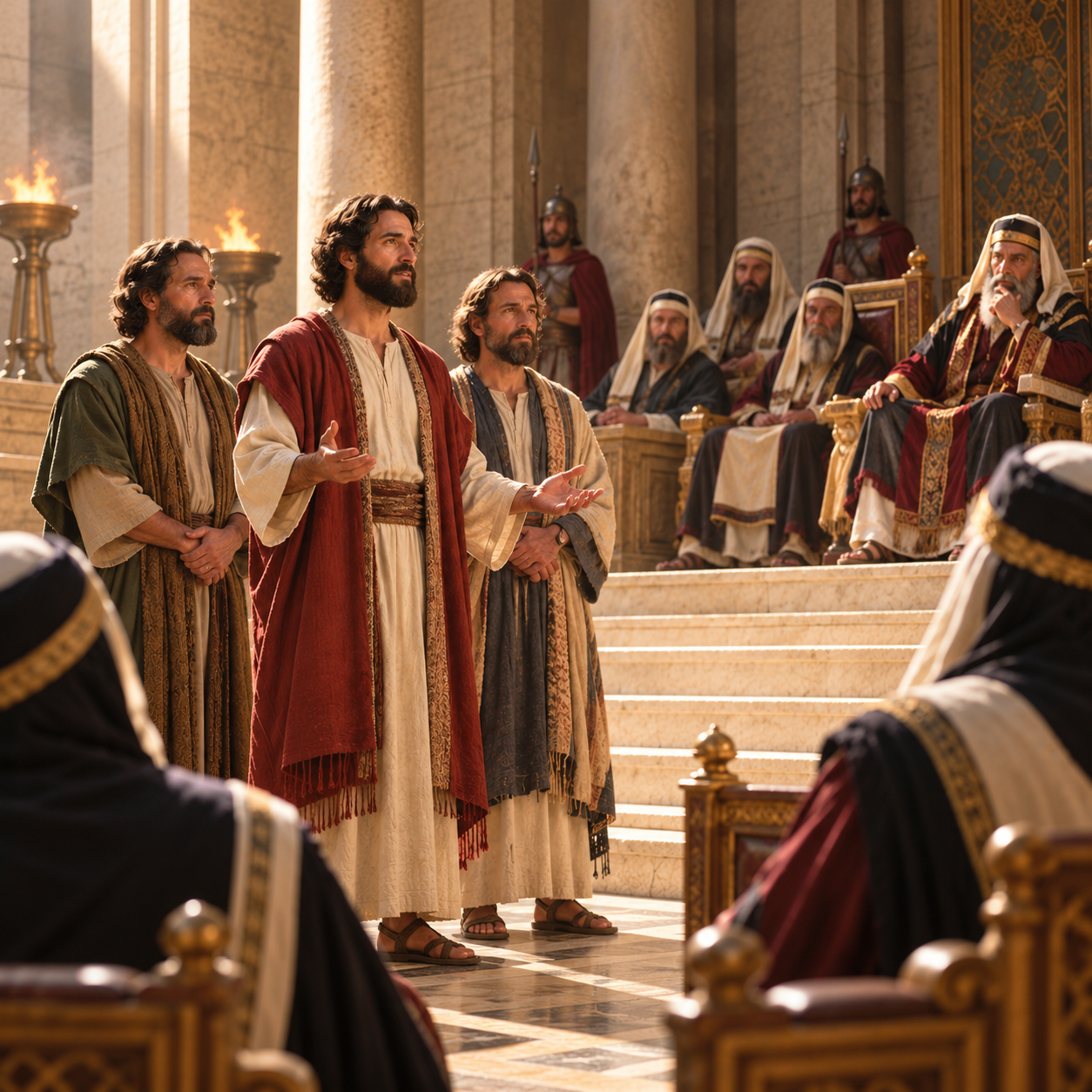
This should not become an excuse for resisting every instruction we dislike. Sometimes God develops our character through inconvenient responsibilities, uncomfortable correction, and decisions that challenge our preferences. Discomfort alone does not prove an instruction is wrong. We must consider whether the instruction is consistent with truth and righteousness, whether the person giving it is acting within legitimate responsibility, and whether obedience would require us to violate what God has commanded.
Discernment requires prayer, Scripture, humility, and honest consideration of the facts. When the matter is serious, wise and trustworthy counsel may be necessary. There may be times when faithfulness requires respectful disagreement, refusal of an improper demand, reporting misconduct, seeking outside assistance, or leaving an unsafe environment. These actions should not automatically be labeled rebellion.
At the same time, we must examine our own motives. Are we resisting because the instruction is genuinely wrong, or because we do not want anyone to challenge us? Are we protecting a biblical principle, or defending our pride? Both the person exercising authority and the person receiving it must answer to God.
True submission begins with recognizing that Jesus Christ has the highest authority. It allows us to respect legitimate leadership without treating human beings as infallible, remain teachable without becoming vulnerable to manipulation, and stand firmly for truth without developing a rebellious spirit. The ultimate measure is not whether we always agree with people. It is whether we remain faithful to God.
The Responsibility of Those Who Lead
Those who lead carry a responsibility that extends beyond the visible duties of their positions. Decisions shape environments, and words can encourage, correct, wound, restore, or silence. Leadership must never be treated as a privilege without responsibility.
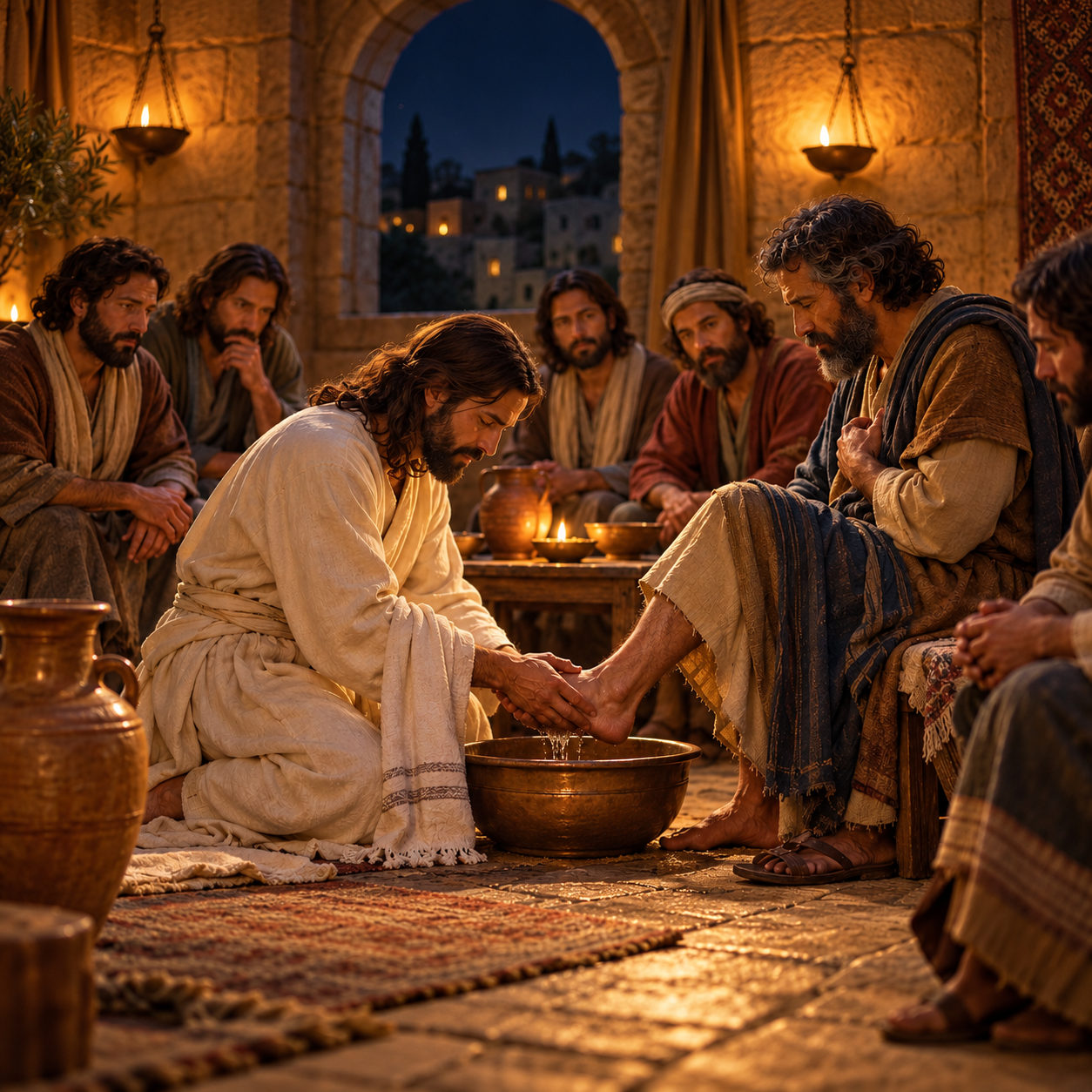
Matthew 28:1818 And Jesus came and spake unto them, saying, All power is given unto me in heaven and in earth.
Jesus Christ possesses all authority, as Matthew 28:18 establishes. Human leaders, however, do not possess unlimited authority over the lives and consciences of those they serve. A leader is not the owner of the people being led. A pastor does not own a congregation. A parent does not own a child. A supervisor does not own an employee. Responsibility for another person does not erase that person’s dignity or personal accountability before God.
Leadership is stewardship. A steward is entrusted with something that does not ultimately belong to them. A leader must tell the truth even when inconvenient, acknowledge errors without shifting blame, protect legitimate concerns from retaliation, and never demand personal loyalty at the expense of righteousness.
When harm has occurred, the proper response is not merely to protect an institution’s reputation. It must include an honest assessment, appropriate accountability, protection for those at risk, and meaningful steps toward correction. An apology without changed conduct is incomplete. A call for forgiveness cannot replace responsibility for harm.
Restoration should not be confused with automatically returning someone to the same position. Trust can require time to rebuild, and certain responsibilities may need to be removed or limited. Serious misconduct may require outside investigation or legal intervention. Mercy does not eliminate wisdom. Forgiveness does not erase boundaries. Love does not require people to ignore danger.
If God has entrusted you with influence, ask what your leadership produces. Are people encouraged to grow in truth, or made dependent upon your approval? Can they raise reasonable concerns without fearing retaliation? Do you acknowledge your mistakes as readily as you identify the mistakes of others? Faithful leadership is not demonstrated by the absence of questions, but by a consistent willingness to serve under the authority of Jesus Christ.
The Responsibility of Those Who Follow
Those who follow also have a responsibility to examine their own hearts and conduct. It is possible to become so focused on the failures of authority that we stop considering our own obedience to God. We may correctly identify a leader’s mistake while refusing to acknowledge our bitterness or reject wise correction because we fear being controlled again.
This is not an attempt to blame those who have been harmed. It is a reminder that God offers us a way to remain spiritually free without allowing another person’s wrongdoing to determine the condition of our hearts.
If someone has abused authority, you do not have to pretend it did not happen, accept a false account of events, return to an unsafe relationship to prove forgiveness, or surrender your boundaries to satisfy another person’s expectations. You can seek support, speak truthfully, pursue appropriate accountability, and protect yourself from further harm.
At the same time, ask God to keep bitterness from becoming the foundation of your identity. You can seek freedom from retaliation and refuse to imitate the behavior that wounded you. Healing may take time and should not be forced by someone who wants you to move on before the truth has been addressed.
Your future does not have to remain permanently controlled by the actions of someone who treated you wrongly. God can help you rebuild your understanding of trust, authority, and healthy relationships. You are not responsible for making another person repent. You are responsible for bringing your own life before God and responding faithfully to what He reveals.
What Will Remain When the Appearances Fall Away?
Ecclesiastes 12:13 to 1413 Let us hear the conclusion of the whole matter: Fear God, and keep his commandments: for this is the whole duty of man. 14 For God shall bring every work into judgment, with every secret thing, whether it be good, or whether it be evil.
Human life is filled with things that appear permanent but are not. Positions change. Ministries pass through seasons. Institutions rise and decline. Reputations can be built and damaged. Ecclesiastes 12:13 to 14 turns our attention toward honoring God and the reality that our actions are not hidden from His judgment.
If our identity depends entirely upon a title, what happens when the title is taken away? If our confidence depends upon public recognition, what happens when recognition disappears? If our obedience depends upon being rewarded by people, what happens when faithfulness costs us something?
There is nothing inherently wrong with fulfilling a role, serving in a ministry, pursuing a career, or receiving recognition for faithful work. The danger comes when these things become more important than the One we claim to serve. When appearances become our highest priority, integrity becomes vulnerable.
A life rooted in Jesus Christ can remain faithful through changing circumstances. When a position changes, a person can continue serving God. When recognition disappears, a person can continue doing what is right. Our deepest identity must rest somewhere stronger than human approval.
Your value is not determined by your position. Your faithfulness is not measured solely by the size of your audience. Your relationship with God is not secured by the praise of people. The world may celebrate what is impressive, but God calls us to consider what is faithful. When everything else falls away, let your life reveal that you belonged to Jesus Christ through the truth you practiced and the love you demonstrated.
Living Before God Today
The thought of answering to God should not remain an abstract idea reserved for sermons or conversations about eternity. It should influence ordinary decisions today. Accountability becomes visible whenever we choose honesty over deception, humility over pride, responsibility over excuses, and obedience over convenience.
It is visible when we admit we were wrong, treat people with dignity even when we have power, refuse to misuse authority, and receive correction without immediately attacking the person who offered it. Living before God requires a willingness to let truth reach every part of our lives.

James 4:13 to 1713 Go to now, ye that say, To day or to morrow we will go into such a city, and continue there a year, and buy and sell, and get gain: 14 Whereas ye know not what shall be on the morrow. For what is your life? It is even a vapour, that appeareth for a little time, and then vanisheth away. 15 For that ye ought to say, If the Lord will, we shall live, and do this, or that. 16 But now ye rejoice in your boastings: all such rejoicing is evil. 17 Therefore to him that knoweth to do good, and doeth it not, to him it is sin.
James 4:13 to 17 reminds us of the limits of human planning and the responsibility to live with awareness of God’s will. We do not control tomorrow. If an apology is needed, do not make pride your reason for withholding it. If a wrong must be corrected, do not allow embarrassment to become an excuse. If a boundary needs to be established, seek wisdom and act with appropriate firmness.
The next faithful step may be small, but it matters. You may need to have an honest conversation, acknowledge a pattern, seek counsel, stop participating in something that violates your convictions, or release the expectation that another person will approve of every decision you make.
The purpose of accountability is not to create a life of constant fear. It is to awaken a life of intentional faithfulness. When you remember that you answer to God, you become less dependent upon human approval, more careful with your words, more honest about your motives, and more willing to repent. Integrity is not a performance for an audience. It is a way of living before the One who sees you completely.
Beyond the Veil: The Truth That Remains
We have examined the authority of God, the heart of submission, the cost of obedience, the testing of authority, the responsibility of leadership, the danger of corrupted authority, and the necessity of correction. All of these subjects lead us back to the same foundation. Jesus Christ must remain at the center.
Without Him, discussions about authority can become arguments about power. Submission can become a demand for control. Obedience can become a tool for manipulation. Leadership can become a pursuit of status. Correction can become humiliation. Accountability can become a weapon against those least able to defend themselves.
When everything is placed under the authority of Jesus Christ, these distortions must be confronted by His truth. Authority becomes a responsibility to serve faithfully. Submission becomes a willing response to what is right before God. Obedience becomes an expression of faith. Leadership becomes stewardship. Correction becomes an opportunity for repentance and growth. Accountability reminds us that no person is beyond the reach of truth.
The veil is lifted when we stop measuring righteousness by appearances and begin examining our lives in the light of God’s Word. It is lifted when we stop asking only whether others have submitted to us and begin asking whether we have submitted ourselves to Jesus Christ. It is lifted when we stop using authority to avoid responsibility and begin accepting responsibility for the trust placed in us.
Respect does not require dishonesty, forgiveness does not require removing every boundary, and spiritual maturity does not require silence in the presence of wrongdoing. Our foundation must be Jesus Christ, not the failures, opinions, expectations, or approval of human beings.
We cannot control every outcome or force every person to act righteously. We can choose to walk in truth, remain teachable, refuse to use power selfishly, repent when we are wrong, seek wisdom, and entrust ourselves to the righteous judgment of God while fulfilling our responsibilities today.
One day, every earthly title will lose its significance. Every position will pass into someone else’s hands. Every public reputation will become part of the past. What will remain is the truth of our lives before God. Do not wait for that day to begin living honestly. Let your heart be examined now, your motives corrected now, and your obedience become real now.
You were never called to make a human being your ultimate authority. You were called to follow Jesus Christ faithfully. When everything answers to God, nothing in your life should be deliberately kept outside His authority.