
Sensory
Sensory Exploration
Water, textures, sounds, colors, light, natural materials, and open ended sensory experiences.
Developmentally appropriate lesson plans designed for infants and toddlers from birth through age three. Each experience supports secure relationships, responsive caregiving, exploration, language development, and joyful learning through everyday routines and play.
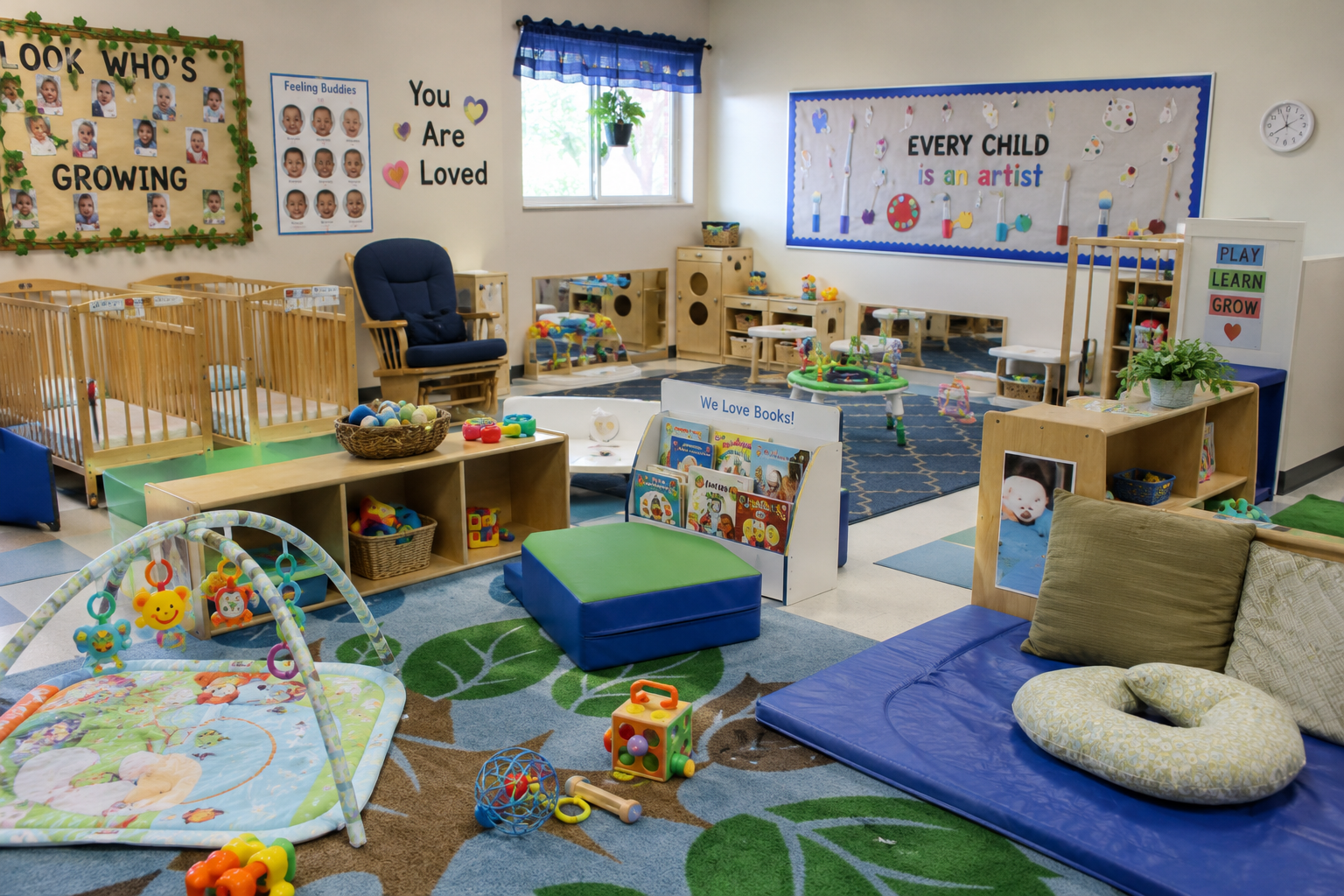
Early Head Start classrooms provide safe, nurturing environments where infants and toddlers learn through responsive interactions, exploration, movement, sensory experiences, and everyday routines. Lesson plans are flexible, individualized, and built around children's interests while supporting the Early Learning Outcomes Framework.
Every lesson plan is designed around developmentally appropriate practices that support the whole child.
Warm, nurturing interactions help infants and toddlers feel safe, secure, and ready to learn.
Activities are adapted to each child's interests, abilities, developmental stage, and unique strengths.
Children learn by exploring materials, moving their bodies, solving problems, and interacting with caring adults.
Strong partnerships between families and educators support consistent, meaningful learning experiences.
Weekly Lesson Plans
Learning Experiences
ELOF Domains
Play Based Learning
Explore year round lesson plans designed specifically for infants and toddlers through meaningful play, responsive caregiving, and daily exploration.
Water, textures, sounds, colors, light, natural materials, and open ended sensory experiences.

Songs, fingerplays, rhythm instruments, movement games, and joyful daily interactions.

Interactive reading, conversations, storytelling, vocabulary, and communication experiences.

Nature walks, gross motor play, weather observations, and outdoor sensory learning.
Flexible investigations designed around children's interests and everyday experiences.
Splash, pour, float, and investigate water through meaningful sensory experiences.
Leaves, trees, flowers, sticks, rocks, insects, and outdoor discoveries.
Pets, birds, insects, woodland animals, and caring for living things.
Songs, movement, rhythm, instruments, and joyful classroom experiences.
Celebrate relationships, routines, traditions, and caring adults.
Explore homes, neighborhoods, community helpers, and familiar places.
Create inviting environments that encourage exploration throughout the classroom.
Rotate engaging materials that encourage exploration, curiosity, and problem solving.
Offer sturdy books, soft seating, puppets, and meaningful conversations every day.
Encourage painting, drawing, collage, stamping, and sensory art using open ended materials.
Provide instruments, scarves, rhythm sticks, songs, and movement experiences.
Every routine is an opportunity to build relationships, language, and independence.
Encourage conversation, self feeding, and responsive interactions during meals and snacks.
Provide calm, predictable routines that help children feel secure and rested.
Use one on one caregiving moments to build trust, communication, and independence.
Support children with songs, visual cues, simple language, and consistent routines throughout the day.
Infants and toddlers learn best through their senses. Provide opportunities to touch, hear, smell, see, move, and safely explore every day.
Pouring, splashing, floating toys, bubbles, scooping, and gentle water exploration.
Leaves, grass, flowers, sticks, pinecones, shells, rocks, and natural textures.
Soft, rough, smooth, bumpy, fuzzy, squishy, and stretchy materials encourage investigation.
Finger painting, edible paint, ice painting, sponge painting, and process focused art experiences.
Watch, chase, pop, and blow bubbles while encouraging language and movement.
Introduce safe herbs, fruit, flowers, spices, and natural scents through guided discovery.
Outdoor environments provide endless opportunities for movement, observation, sensory experiences, and joyful exploration.
Observe birds, leaves, flowers, insects, shadows, and changing seasons together.
Experience sunshine, clouds, rain, wind, and changing temperatures through daily observation.
Crawl, climb, balance, push, pull, run, and explore safe outdoor environments.
Water plants, dig in soil, observe insects, and watch flowers and vegetables grow.
Language develops naturally through responsive conversations, songs, books, and meaningful daily interactions.
Read aloud every day while encouraging pointing, naming, repeating, and predicting.
Follow children's interests, respond to gestures, and model rich descriptive language.
Use nursery rhymes, puppets, and fingerplays to build vocabulary and listening skills.
Provide chunky crayons, large paper, washable markers, and opportunities for mark making.
Music encourages joyful interactions while strengthening language, coordination, memory, and self expression.
Welcome songs, cleanup songs, transition songs, and goodbye songs help create predictable routines.
Jump, clap, march, stretch, wiggle, crawl, and dance through playful music experiences.
Explore rhythm sticks, shakers, drums, bells, and homemade musical instruments.
Move with scarves, ribbons, streamers, and imaginative music activities.
Support both fine and gross motor development through meaningful everyday experiences.
Stack blocks, grasp objects, squeeze play dough, use tongs, thread large beads, and explore sensory materials.
Encourage crawling, walking, climbing, balancing, dancing, and outdoor movement every day.
Roll, throw, kick, catch, and chase balls to strengthen coordination and confidence.
Complete simple puzzles, stack rings, insert objects, and manipulate everyday classroom materials.
Strong family partnerships help create meaningful learning experiences that continue beyond the classroom.
Encourage families to read every day while talking about pictures, pointing to objects, and asking simple questions.
Share classroom songs so families can sing during meals, diapering, bath time, and bedtime.
Take neighborhood walks, collect leaves, watch birds, splash in puddles, and enjoy nature together.
Talk, laugh, cuddle, and play together during everyday routines to strengthen secure relationships.
Every lesson plan intentionally supports the Head Start Early Learning Outcomes Framework.
Build secure relationships, self regulation, confidence, empathy, and positive interactions.
Strengthen expressive language, receptive language, conversations, gestures, and vocabulary.
Encourage curiosity, exploration, memory, problem solving, and early scientific thinking.
Support fine motor skills, gross motor movement, healthy routines, and sensory exploration.
Develop early literacy through books, storytelling, songs, conversations, and print awareness.
Promote persistence, creativity, curiosity, attention, and flexible thinking through play.
Observe children during everyday routines and play to understand growth and guide future planning.
Notice children's interests, interactions, communication, and problem solving throughout the day.
Capture meaningful learning moments to celebrate growth and share with families.
Save artwork, photographs, observation notes, and developmental milestones throughout the year.
Use observations to individualize experiences and extend each child's learning.
Thoughtfully designed classrooms encourage curiosity, independence, and exploration.
Arrange open ended materials on low shelves so children can safely explore independently.
Include wood, baskets, stones, fabrics, plants, and other natural elements throughout the classroom.
Refresh learning centers regularly to maintain curiosity and encourage new discoveries.
Provide mirrors, cozy reading areas, family photos, and comfortable spaces that help children feel secure.
Predictable routines help infants and toddlers feel safe while providing opportunities for meaningful learning throughout the day.
Welcome children warmly, connect with families, and support smooth transitions into the classroom.
Allow children to explore learning centers based on their interests with teacher support.
Use feeding, diapering, and toileting as opportunities for conversation, learning, and relationship building.
Provide calm environments that support healthy sleep, comfort, and individualized routines.
Access practical tools, classroom ideas, and planning resources that support high quality Early Head Start programs.
Flexible lesson planning templates that encourage responsive, child led experiences.
Record children's interests, milestones, language, and developmental progress throughout the year.
Download classroom labels, routine cards, visual schedules, and family communication materials.
Strengthen teaching practices through reflection, collaboration, and continuous professional learning.
Helpful classroom resources designed specifically for infants, toddlers, and Early Head Start educators.
Plan meaningful experiences that support children's interests, routines, and developmental goals.
Simple observation pages for documenting learning through play and daily routines.
Share easy learning experiences families can enjoy together using everyday materials.
Support predictable transitions using child friendly picture cards and daily schedules.
Continue growing as an educator through reflection, collaboration, and evidence based practices.
Design learning experiences that honor each child's developmental stage and individual strengths.
Use observations and documentation to improve classroom experiences and strengthen relationships.
Build trusting relationships through warm interactions, consistent routines, and individualized care.
Celebrate growth while continually adapting the environment to meet children's changing interests.