Chapter 8
When the Wounded Become the Wounders
Key Scriptures: Ephesians 4:31–32; Hebrews 12:14–15; Matthew 18:21–35; Colossians 3:12–14; Galatians 6:1–5; James 3:13–18; Romans 12:17–21.
Central Truth
Past wounds deserve compassion, but they do not give us permission to pass pain on to others. Through Christ, we can acknowledge what shaped us, take responsibility for our conduct, and interrupt harmful patterns with truth, repentance, forgiveness, and wise boundaries.
The Pain We Carry Can Become the Pain We Pass On
There is a difficult truth that every wounded person must eventually be willing to face: the pain we have suffered can begin to influence the way we treat other people if we never allow God to deal with what has happened inside us. We may enter a season of suffering as the person who was mistreated, betrayed, rejected, or misunderstood, yet if our wounds remain unexamined, we can slowly develop behaviors that inflict similar pain on those around us. We may begin by promising ourselves that we will never treat anyone the way we were treated, only to discover years later that our reactions, words, expectations, and relationships have begun to resemble the very things we once prayed to escape.

This is one of the most uncomfortable parts of spiritual healing because it requires us to examine more than what others have done to us. It asks us to consider what we are doing with the pain they left behind. It is possible to be genuinely wounded and still wound someone else. It is possible to have been treated unfairly and still respond unfairly. It is possible to have experienced spiritual manipulation and later use spiritual language to control another person. It is possible to have been silenced by a leader and then become a leader who refuses to listen. Our past may help explain certain reactions, but it does not give us permission to continue passing our pain to people who did not cause it.
We must establish this distinction carefully because acknowledging harmful behavior in a wounded person must never become an excuse to blame victims for the mistreatment they experienced. The person who was abused is not responsible for the abuser’s actions, and the person who was betrayed did not cause the betrayal simply because they are struggling to heal. Responsibility belongs to the person who chose to cause harm. Yet as we move forward, each of us remains responsible for the choices we make, the words we speak, the boundaries we respect, and the way we treat others.
Healing is not about pretending that the past did not happen. It is about refusing to let the past become the authority over every decision we make in the present. God does not ask us to deny our wounds, bury our memories, or act as though we were never hurt. He invites us to bring the truth of our experiences into His presence so that pain can be acknowledged without being allowed to govern our character.
The tragedy is not simply that people have been wounded. The tragedy is that wounds can become patterns, patterns can become habits, and habits can become a culture that wounds the next person. When that happens, the original injury is no longer confined to the person who caused it. It begins traveling through families, friendships, marriages, congregations, and ministries, creating new casualties along the way.
But the cycle does not have to continue. Through the grace of Jesus Christ, we can learn to recognize what has been happening within us, take responsibility for our conduct, and choose a different way of living. Our suffering does not have to become someone else’s suffering, and the pain that once shaped our reactions does not have to determine the legacy we leave behind.
When Survival Becomes a Way of Living
When people experience repeated disappointment, rejection, betrayal, or mistreatment, they often develop ways of protecting themselves. Some become guarded because trusting others has previously resulted in pain. Others become controlling because uncertainty makes them feel vulnerable. Some withdraw from relationships before anyone has the opportunity to reject them, while others become excessively dependent on approval because they fear being abandoned. These responses may begin as attempts to survive difficult experiences, but over time they can become patterns that interfere with healthy relationships and spiritual growth.

A person who has been repeatedly dismissed may learn to speak harshly because they believe gentleness will never be taken seriously. Someone who has experienced manipulation may become suspicious of every request, even when the person making it has shown no evidence of harmful intentions. A person who was constantly criticized may become defensive whenever someone offers correction, interpreting every concern as another attempt to tear them down. Another person may become so determined never to feel powerless again that they begin controlling the people around them.
These patterns deserve compassion, but compassion must not become an excuse to avoid change. Understanding why a behavior developed is an important part of healing, yet understanding alone does not make the behavior harmless. A person may have learned to shout because shouting was the only way to be heard in their childhood home, but that history does not remove the responsibility to stop intimidating a spouse or child. A ministry leader may have grown up under harsh authority, but that experience does not justify treating those under their leadership with fear and contempt.
Sometimes we become so accustomed to our protective habits that we no longer recognize them as protection. We call our suspicion discernment, our control leadership, our emotional withdrawal wisdom, or our unwillingness to receive correction spiritual maturity. We may even use Scripture to defend reactions that need to be examined rather than celebrated.
Discernment is necessary, but suspicion is not automatically discernment. Boundaries are wise, but control is not the same as protection. Confidence is healthy, but pride that refuses correction is not spiritual strength. There is a difference between learning from the past and forcing everyone in the present to answer for what someone else did.
The Holy Spirit can help us recognize those differences, but we must be willing to listen when the truth challenges the explanations we have built around ourselves. We cannot heal a pattern that we insist is always someone else’s fault. Nor can we move toward freedom if we use our history to excuse every reaction without considering its effect on others.
The question is not whether our protective responses once served a purpose. The question is whether they are still serving us well or whether they have begun to damage the relationships and opportunities God is inviting us to approach differently.
The Danger of Becoming What Hurt You
One of the saddest developments in an unhealed life occurs when a person begins reproducing the behavior they once condemned. The individual who was ignored may become someone who dismisses other people’s concerns. The person who was publicly humiliated may later embarrass others to establish authority. Someone who was excluded may create social circles in which certain people are deliberately made to feel unwelcome. A believer who was told that asking questions was rebellion may grow into a leader who interprets every question as an attack.
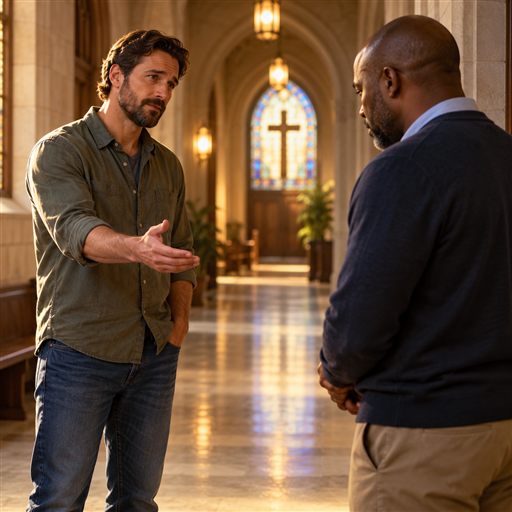
These transformations rarely happen all at once. They may begin with small compromises that seem understandable at the time. We justify an unnecessarily harsh response because we are tired of being mistreated. We withhold kindness because someone else failed to show it to us. We spread a private detail because we want people to understand our side of the story. We punish someone emotionally because we want them to experience the loneliness we experienced. Each decision may feel justified by the pain behind it, but repeated decisions can gradually form a character we would once have struggled to recognize.
This is why spiritual maturity requires more than remembering what other people did wrong. It requires allowing God to examine what those experiences are producing in us. If we spend years asking the Lord to deliver us from controlling people, we must also ask whether we have become controlling. If we pray for freedom from gossip, we must examine whether our own conversations are damaging the reputations of others. If we ask God to restore our voice, we must learn to speak truth without using our words to destroy someone else’s dignity.
Jesus taught His followers to examine their own lives before rushing to correct another person. In Matthew 7:3–5, He used the picture of a person attempting to remove a speck from another’s eye while ignoring the plank in his own. His teaching does not forbid correction, accountability, or confronting wrongdoing. It challenges the hypocrisy of correcting others while refusing to examine ourselves.
The wounded person is not disqualified from helping others. In fact, people who have experienced suffering can develop profound compassion, sensitivity, and wisdom. But our pain does not automatically make us safe, and our testimony does not automatically make every judgment we form correct. We must continue to submit our attitudes and actions to the truth of God’s Word.
The goal is not to become so afraid of repeating the past that we lose confidence in ourselves. The goal is to become aware enough to choose differently. We can acknowledge the ways we have been harmed while refusing to harm others in return. We can tell the truth about what happened without using that truth as permission to mistreat someone else. We can break the cycle by recognizing that the behavior we condemn in another person must not become the behavior we excuse in ourselves.
When Bitterness Becomes a Justification for Cruelty
Bitterness often begins with a legitimate experience of pain, but if it is allowed to govern the heart, it can distort the way we interpret other people and respond to their mistakes. We may begin to assume the worst about someone’s intentions, treat disagreement as betrayal, or view kindness with suspicion because we have learned to expect disappointment. We may even become convinced that our harshness is justified because life has been harsh toward us.
This is a dangerous place for the soul because suffering can become the standard by which we measure what we believe we are entitled to do. We tell ourselves that we have endured enough, that nobody understands what we have been through, or that the people who hurt us deserve whatever response they receive. We may begin to believe that our pain grants us an exemption from the very principles we once expected others to follow.
But the gospel does not teach that being wounded gives us permission to become cruel. Jesus knows the reality of betrayal, rejection, injustice, and suffering, yet He does not call His followers to make revenge the governing principle of their lives. Romans 12:17–21 instructs believers not to repay evil for evil and not to be overcome by evil, but to overcome evil with good. This does not mean that Christians must remain passive in the face of wrongdoing. The same commitment to righteousness can require us to establish boundaries, report misconduct, seek protection, and pursue appropriate justice. What it forbids is allowing the desire to inflict personal suffering to become our guiding purpose.
We must also understand that forgiveness is not the same as approving of what happened. A person can call wrongdoing what it is without becoming hateful. A person can refuse reconciliation with someone who remains unsafe without wishing to destroy that person’s life. A person can seek accountability without spending every waking hour imagining the punishment they hope another person will receive.
When bitterness becomes our justification for cruelty, we begin carrying the original injury into situations where it does not belong. We may punish a new friend for the betrayal of an old one, treat a caring leader with suspicion because of a former leader’s misconduct, or withdraw affection from our family because someone outside the family wounded us. The people in front of us may have had nothing to do with the experiences we are still trying to understand, yet they are forced to live beneath the shadow of those experiences.
God’s call to forgiveness is not a demand that we pretend our pain is insignificant. It is an invitation to stop allowing pain to dictate how we treat the people around us. We can grieve what happened, seek help, maintain appropriate boundaries, and still refuse to turn our suffering into a weapon.
The Church Must Break the Cycle It Has Inherited
The Church must be especially willing to examine how harmful patterns can be passed from one generation of leadership to the next. A leader who grew up under constant humiliation may reproduce humiliation because it is the only model of correction they have ever known. A congregation that survived a divisive season may become so afraid of conflict that it discourages every difficult conversation. A ministry built around unquestioning loyalty may train future leaders to believe that authority must never be challenged, even when a legitimate concern needs to be addressed.

These patterns can become embedded in the culture of a church. People may repeat familiar phrases, preserve outdated practices, or imitate the conduct of influential leaders without considering whether those behaviors reflect the character of Jesus Christ. What was once accepted may gradually become treated as sacred simply because it has existed for a long time.
Tradition can preserve valuable wisdom, but tradition must not be used to protect practices that contradict Scripture or harm people. The fact that something has always been done a certain way does not establish that it is right. Neither does the fact that a leader experienced harsh treatment justify passing that treatment to those who follow.
Paul’s words in Ephesians 4:31–32 call believers to put away bitterness, wrath, anger, clamor, slander, and malice, while choosing kindness, tenderheartedness, and forgiveness. These instructions are not limited to private feelings. They address the way believers treat one another in community. A church cannot genuinely cultivate kindness while tolerating intimidation as a normal leadership technique. It cannot call people to forgiveness while encouraging the spreading of damaging rumors. It cannot claim to be tenderhearted while treating the pain of its members as an inconvenience.
Breaking a harmful culture requires more than changing the person who is currently in charge. It may require training, transparent expectations, independent oversight, clear reporting procedures, and a willingness to correct behavior regardless of someone’s influence. It also requires the congregation to stop rewarding intimidation simply because the person using it is charismatic, gifted, or successful.
Spiritual gifts do not eliminate the need for spiritual fruit. A person may preach powerfully and still need correction in the way they treat others. A ministry may attract crowds and still require changes in its leadership practices. Visible success is not proof that every private decision is righteous.
A healthier Church will teach its members how to confront wrongdoing responsibly, how to disagree without humiliation, how to receive correction without retaliation, and how to distinguish accountability from rebellion. It will make room for truth without turning every disagreement into a battle for control.
The cycle ends when people become willing to say, “This is what I inherited, but I will not continue it. This is what was done to me, but I will not make it the pattern for those who come after me. By the grace of God, what ends with me will not be passed to someone else.”
Your Wound Explains Your Struggle, but It Does Not Excuse Your Harm
There is a balance that must be maintained throughout this chapter. We should never use a person’s harmful behavior to dismiss the suffering they have endured, and we should never use their suffering to excuse harmful behavior toward others. Both truths must remain visible if we are going to approach healing with wisdom and compassion.
Some people have spent years being blamed for their reactions while the circumstances that produced their distress were ignored. They may have been told that their anger proved they were rebellious, that their tears demonstrated weakness, or that their difficulty trusting people revealed a lack of faith. Such responses can deepen the wound by placing shame on someone who already needs support.
Others have been hurt and have genuinely begun hurting people around them. They may interrupt, intimidate, manipulate, gossip, or refuse to acknowledge the impact of their behavior. Their suffering deserves compassion, but the people affected by their conduct deserve compassion as well. Healing must not become a process in which one person’s pain is treated as more important than everyone else’s dignity.
Galatians 6:1–5 provides a helpful framework. Paul instructs believers to restore someone who has been caught in a transgression with a spirit of gentleness, while also warning them to pay attention to themselves. He then speaks about bearing one another’s burdens and taking responsibility for one’s own conduct. This passage holds restoration and personal responsibility together rather than forcing us to choose between them.
Gentleness does not mean ignoring harm. Accountability does not require humiliation. A person can be confronted with the truth while being treated with dignity, and a person can receive compassion without being permitted to continue destructive behavior. The purpose of correction is not to make someone suffer for having struggled. It is to help establish what is true, protect those affected, and create a path toward meaningful change where change is possible.
Sometimes that process will require a direct conversation. Sometimes it will require professional counseling, pastoral support from a trustworthy and accountable leader, or help from someone trained to address destructive relational patterns. In situations involving abuse, threats, or serious misconduct, appropriate safeguarding measures and outside authorities may be necessary. We should not assume that every conflict is abuse, but neither should we spiritualize serious harm until the people affected are left without protection.
If you recognize yourself in these pages, do not respond by declaring yourself hopeless. The purpose of conviction is not to convince you that you are beyond grace. It is to help you recognize where change is needed and invite you to take responsibility for that change. You are not required to remain trapped in the behavior you learned during your most painful seasons.
Your wound may explain why certain situations are difficult for you, but with God’s help, you can learn to respond differently. You can develop patience where you once reacted with anger, honesty where you once relied on manipulation, and healthy boundaries where you once moved between isolation and control. The process may be gradual, but every honest step toward change matters.
When You Realize You Have Hurt Someone
One of the hardest moments in a person’s spiritual journey occurs when the Lord reveals that they have caused harm while believing they were simply protecting themselves. The realization may bring grief, embarrassment, defensiveness, or fear that acknowledging the truth will undermine everything they have believed about themselves. We may want to explain our intentions before we acknowledge the impact of our actions, or we may rush to describe what the other person did so that our own behavior will appear understandable.
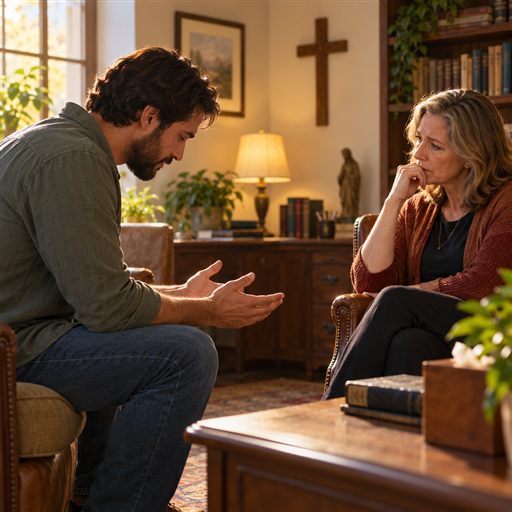
But genuine growth begins when we can tell the truth without immediately trying to escape its implications. If our words were cruel, we must be willing to acknowledge that. If we shared private information that should not have been shared, we must accept responsibility for that decision. If we used our authority to pressure someone, dismissed a legitimate concern, or punished someone for disagreeing with us, we must be willing to face those actions honestly.
An apology should not become another way to control the person we have hurt. Saying, “I am sorry, but you need to understand what you did to me,” may shift the conversation back toward our own defense before the harm we caused has been acknowledged. Likewise, saying, “I apologized, so you need to forgive me,” places pressure on the wounded person to relieve our discomfort. We must learn to accept that an apology is an act of responsibility, not a guarantee that the relationship will return to what it once was.
A sincere apology names the behavior, acknowledges the harm, accepts responsibility without unnecessary excuses, and identifies what will change. Where restitution or other corrective action is appropriate, it should be pursued. If we have spread a false or damaging statement, we may need to correct the record with the people who heard it. If we have repeatedly violated someone’s boundaries, we may need to respect their request for distance rather than insisting that they give us another opportunity.
Repentance also means allowing the other person to have their own experience of what happened. We may sincerely regret our actions, but we cannot dictate how quickly someone else should recover. We may hope for reconciliation, but we cannot demand it as proof that our repentance has been accepted. The person we hurt has the right to consider what is safe and appropriate for them.
This is where humility becomes more than a word in a sermon. It becomes the willingness to do what is right even when the result does not immediately restore our comfort or reputation. We stop making our desire to feel forgiven the center of the process and begin focusing on the responsibility to change.
If you have become the person who wounded someone else, the answer is not to hide in shame or defend every action. Bring the truth before God, seek wise guidance where needed, acknowledge your responsibility, and take appropriate steps toward change. Grace does not remove the need for accountability. Grace gives us a reason to believe that accountability can lead to transformation rather than permanent captivity to our past.
Forgiveness Must Become a New Way of Living
Forgiveness is often discussed as a decision concerning a particular offense, but its deeper work reaches into the way we live with other people. When we begin releasing resentment, we must also learn how to stop organizing every relationship around the fear of being hurt again. We must discover how to establish boundaries without becoming controlling, how to speak honestly without becoming cruel, and how to receive correction without assuming that every concern is an attack.
This does not mean that we will never feel defensive or that old wounds will never be stirred by a familiar situation. Healing does not always move in a straight line. A conversation may remind us of a former betrayal, a disagreement may bring back memories of rejection, or a leader’s tone may awaken fear associated with a previous experience. The appearance of those feelings does not automatically mean that we have failed. It gives us an opportunity to pause, recognize what is happening, and choose a response that reflects the present reality rather than simply repeating the past.
In Colossians 3:12–14, Paul calls believers to put on compassion, kindness, humility, gentleness, patience, and forgiveness, with love binding these qualities together. The imagery suggests an intentional way of living. We do not simply wait until every painful emotion disappears before we practice kindness. We learn to choose conduct that reflects Christ while honestly acknowledging the work still taking place within us.
There will be moments when the loving response is to listen patiently, and there will be moments when love requires a firm boundary. There will be times when a relationship can be repaired through honest conversation, and there will be times when maintaining distance is necessary. There will be occasions when a concern can be resolved privately, and there will be occasions when a serious issue must be brought to an appropriate authority. Spiritual maturity is not the ability to use one response in every circumstance. It is the willingness to seek wisdom and act according to truth, love, justice, and responsibility.
We must also learn to stop treating every uncomfortable emotion as a command. Anger can alert us to a concern, but it does not have to dictate our words. Fear can warn us to proceed carefully, but it does not have to determine every future relationship. Grief deserves attention, but it does not have to become our permanent identity. A feeling may be real without providing the complete interpretation of what is happening.
When we allow God to reshape our responses, we begin to discover that forgiveness is not merely the release of a debt. It becomes part of the freedom to live without continually reproducing the conditions of our former suffering. We no longer need to prove that our pain was real by making others feel it. We no longer need to remain angry to demonstrate that what happened was wrong. We no longer need to control every relationship to prove that we will never be powerless again.
We can remember without repeating. We can acknowledge without attacking. We can protect ourselves without punishing everyone else. We can pursue justice without becoming consumed by revenge. And we can receive the grace of God without using that grace as an excuse to avoid the changes He is calling us to make.
A Prophetic Call: Let the Cycle End With You
Church, it is time to stop celebrating survival while ignoring the work of transformation. It is possible to testify about what God brought us through and still need Him to address what the experience has produced within us. It is possible to speak about our deliverance from harmful leadership while continuing to treat others with the same spirit of control. It is possible to condemn the gossip that wounded us while repeating stories that damage someone else’s name. Our testimony must not become a shield that prevents the Lord from examining our conduct.

We cannot continue to demand that everyone understand our pain while refusing to understand the pain we have caused. We cannot ask others to be patient with our healing while treating their boundaries as personal rejection. We cannot insist that our mistakes be viewed in the context of our suffering while refusing to consider the circumstances and dignity of the people affected by our actions.
The call of Jesus is not to become people who have never been wounded. It is to become people who allow His truth and grace to shape what happens next. We must be willing to confront the bitterness we have justified, the control we have called protection, the harshness we have called honesty, and the retaliation we have called justice. Where these patterns exist, we must stop defending them and begin pursuing change.
This call applies to every part of the Church. Parents must consider whether the pain they experienced is influencing the way they discipline their children. Spouses must examine whether old betrayals are shaping how they respond to one another. Ministry leaders must ask whether their experiences under former leadership have made them more compassionate or simply taught them to exercise power in familiar ways. Congregations must consider whether their fear of division has made them unwilling to address behavior that harms people.
We do not break the cycle by declaring ourselves better than the people who hurt us. We break it by refusing to let their wrongdoing determine the character of our own lives. We break it when we tell the truth about what happened without using the truth as a weapon. We break it when we accept correction, respect boundaries, pursue accountability, and make amends when we are responsible for harm.
And when we fail, as human beings sometimes do, we must not use failure as an excuse to surrender to old patterns. We return to God, acknowledge what went wrong, seek the help we need, and take the next faithful step toward change. Repentance is not a declaration that we will never struggle again. It is a commitment to stop making peace with the behaviors that contradict the life Christ calls us to live.
Let the person who was once silenced become someone who listens carefully. Let the person who was once controlled learn to respect the freedom and dignity of others. Let the person who was betrayed refuse to make suspicion the foundation of every relationship. Let the person who was humiliated refuse to use humiliation as a tool of authority. Let the person who was wounded discover that healing can produce compassion rather than cruelty.
The cycle must not continue simply because it has continued for generations. What was done to you does not have to become what you do to someone else. By the grace of Jesus Christ, the pattern can change, the heart can be renewed, and the people who come after you can encounter a different expression of love.
Conclusion: Do Not Pass the Wound Forward
The pain you experienced deserves to be acknowledged, and the wrong that was done to you deserves to be taken seriously. You do not have to minimize your suffering, deny your memories, or excuse the people who harmed you in order to grow spiritually. But your freedom will require more than recognizing what others did. It will also require a willingness to examine what those experiences are producing in your own life.
Do not allow the person who betrayed you to determine how you treat everyone who comes after them. Do not allow the leader who misused authority to become the model you unconsciously reproduce when you receive responsibility. Do not allow rejection to convince you that you must reject others before they can reject you. And do not allow bitterness to persuade you that cruelty is justified because you have endured pain.
The Lord can meet you in the place where your responses have become defensive, where your trust has been damaged, and where old experiences continue to influence your present decisions. He can give you wisdom to recognize harmful patterns, courage to establish boundaries, humility to receive correction, and strength to take responsibility for the ways you have affected others.
Sometimes this work will involve prayer and Scripture. Sometimes it will require honest conversations, pastoral support from trustworthy leaders, or professional counseling. Sometimes it will require acknowledging wrongdoing and making restitution. And sometimes it will require maintaining distance from a person or environment while you continue to heal. These steps do not compete with faith. They can become practical expressions of the wisdom, courage, and responsibility that faith produces.
Your story does not have to end with what someone else did to you. It can also become a testimony of the cycle you refused to continue. You can become a person who tells the truth without cruelty, exercises authority without intimidation, establishes boundaries without revenge, and extends compassion without abandoning discernment.
The greatest victory is not making the people who hurt you experience the same pain. It is refusing to let their actions turn you into someone who wounds others in the same way.
Let the wound be acknowledged. Let the truth be spoken. Let accountability take its proper place. Let forgiveness begin its work. And let the cycle end with you.
CHAPTER 8 STUDY GUIDE Open the companion guide for discussion questions, personal reflection, and prayer connected to this chapter.Continue Your Study